
April 2026 Collaborative Circle Overview: Exploring the Meaning of Archetype
By Dr. Corinna Rezzelle-Pennypacker
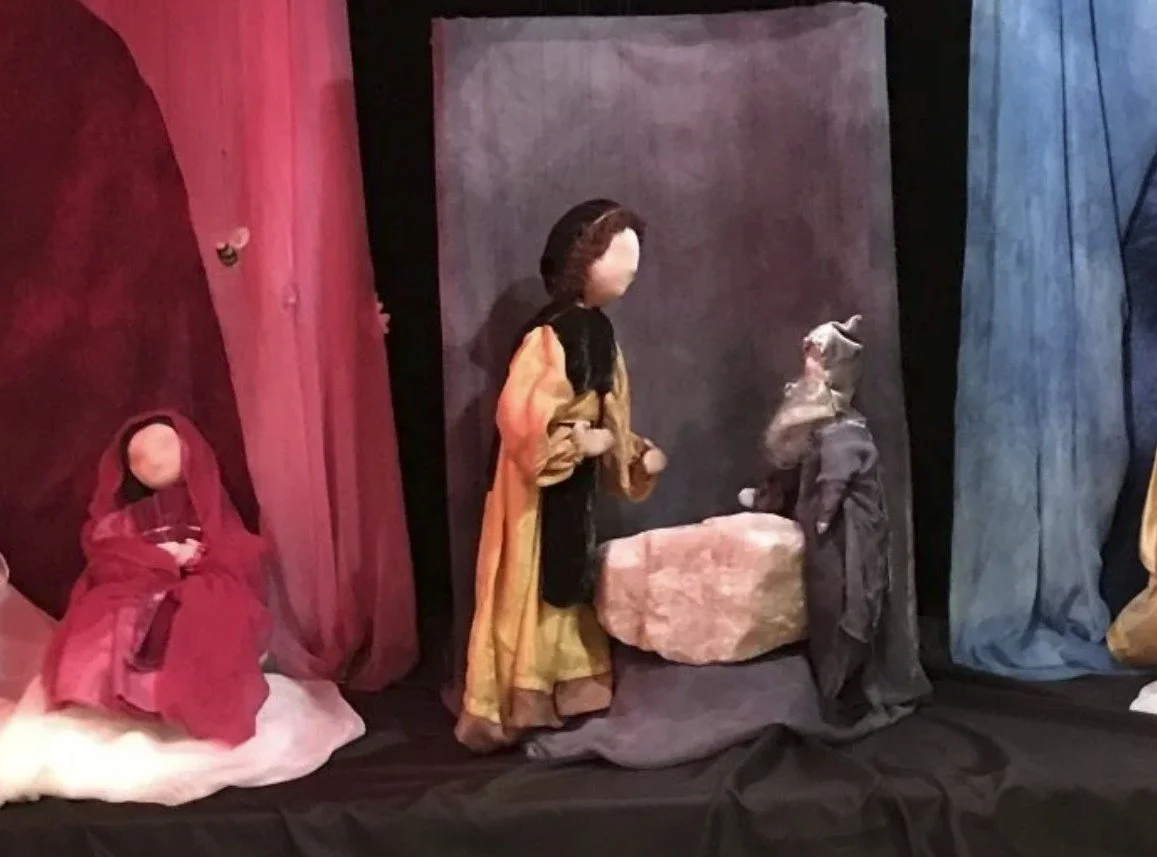
For millennia, storytelling has been used as an education tool. The greatest thinkers of our time have confirmed that fairy tales are an essential part of that story-based education. Einstein is quoted, “If you want your children to be intelligent, read them fairy tales. If you want them to be more intelligent, read them more fairy tales.” Rudolf Steiner said, “What is recorded bit by bit through fairy tales then emerges as joy in life, in the sense of life—it is revealed in the ability to cope with life, even into old age. Children must experience the power inherent in fairy tales at a young age.” (The World of Fairytales, Steiner)
But what is it about these stories that help children cope with trials of life? What is the guiding force that we cling to long after the story is told and life has moved on? Our April Collaborative Circle focused on just that as we spent time in community, sharing, listening, and reflecting on the power of archetypes to embolden and bolster us. Our keynote speaker, Nancy Mellon, gave an in-depth reflection on Exploring the Meaning of Archetype and how working with these soul gestures can bring depth to our storytelling that not only works on the child’s entertainment desires but touches their growing life- and soul-bodies in a nourishing way.
We discussed the powerful tool of the archetype in storytelling as one of those remaining images of the story. An archetype can be boiled down to an essential essence of what it means to be human. Carl Jung described archetypes as universal guides that live with all of humanity, whereas Steiner considered the archetypes as living forces. No matter the thought-line, archetypes help the listener of a story see themselves, whether it be the higher self that they long to be or even the darker shadow that they try to push aside. When used thoughtfully, these strong human images can be an asset within the realm of puppetry and the performing arts to allow the work to have deeper meaning for both the puppeteer and the audience member.
Nancy gave a prime example of how performance experiences and archetypal presentation can have a lifelong effect on a person. She reflected that as a child she had not been impressed by the very first puppet that she had seen. She recalled being shocked at the violence of Punch and Judy and even more appalled that after the show the puppeteers came out smiling. She wondered how such pain-filled storytelling was expected to give joy to the audience and how had it given joy to the puppeteers? Yet isn’t this still a problem of our time? Entertainment still surrounds the pain and agony of its main characters, and do we still not see this within mainstream puppetry and entertainment? Even in the 21st century we are met with puppets acting violently, inflicting pain on others, and moving as phantoms instead of imbued beings?
Nancy shared that it wasn’t until adulthood that she had a change of understanding of what puppetry could be and how it could make an audience member feel. She recalled seeing a retelling of the Indian folk tale of “The Fish Prince.” She remembered the interplay of calming music, beautiful puppet movement, and the colors that were used and how they were combined. She had felt the impact of the story deeply and even felt a shift in her relationship to herself. This self-knowledge acted as a cathartic event.
This remembrance just goes to show that as puppeteers and storytellers we have been given such a rich world of experiences to draw from through the stories of the past and present. Fairy tales and Fables have the ability to change lives, as they present these archetypal truths that live within, even when we try to suppress them. Isn’t it amazing that that knowledge has been known for millennia and somehow, we’re still uncovering the complexities of why story works not only intellectually, but emotionally and spiritually? Now as we look to the rest of the year ahead, let us remember that within all of us lives the queen, the wise woman, the trickster, and the hero. It’s how we harness those characteristics for the good that matters most.
We thank you, Nancy, Janene, and all our members for your beautiful words on this topic and we cannot wait to see you all at our next collaborative circle.